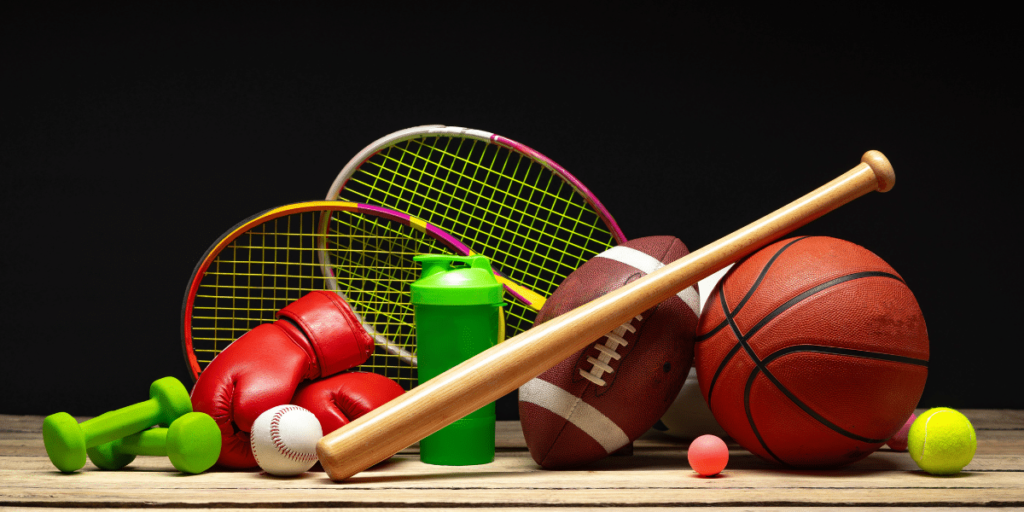

Introduction: The Universal Language of Sports
Sports hold a special place in human life because they connect people beyond differences of culture, nationality, and language. Whether played professionally or casually, sports bring excitement, passion, and a sense of belonging. From playground games to international championships, sports inspire individuals to challenge themselves and work toward excellence. In modern society, sports are not only a source of entertainment but also a powerful tool for personal development and social harmony.
Physical Fitness and Healthy Living
One of the most obvious benefits of sports is improved physical health. Regular participation in sports activities strengthens muscles, improves heart function, and increases overall stamina. Activities such as football, cricket, basketball, running, or swimming encourage movement and reduce the risks associated with inactive lifestyles. People who stay involved in sports often experience better immunity, stronger bones, and greater energy throughout the day. Maintaining physical fitness through sports also helps prevent obesity and lifestyle-related diseases.
Mental Health and Emotional Balance
Sports contribute significantly to mental well-being. Physical activity helps release stress and reduces feelings of anxiety and depression. When individuals play sports, they focus on the game rather than daily worries, allowing the mind to relax. Winning builds confidence, while losing teaches patience and emotional control. Athletes learn how to stay calm under pressure and remain motivated even after setbacks. These mental skills become valuable in academic, professional, and personal life situations.
Discipline, Dedication, and Self-Control
Success in sports requires consistent practice, determination, and discipline. Athletes must follow training routines, maintain healthy habits, and respect rules of the game. This structured lifestyle teaches responsibility and self-control. Young players especially benefit from learning punctuality, teamwork, and goal-setting. The habits developed through sports often translate into better performance in education and future careers because individuals learn the importance of commitment and hard work.
Teamwork and Leadership Skills
Team sports play an essential role in developing social and leadership abilities. Players must cooperate, communicate clearly, and trust each other to achieve success. A strong team depends on unity rather than individual talent alone. Through sports, individuals learn how to lead, support teammates, and accept different roles within a group. These lessons help build confidence and improve social interaction, preparing individuals for collaborative environments in professional and community life.
Sports as a Career and Opportunity
In today’s world, sports offer numerous career opportunities beyond playing professionally. Talented athletes can represent their regions or countries, gaining recognition and financial stability. Additionally, fields such as coaching, sports management, fitness training, sports journalism, and physiotherapy provide diverse professional paths. The growing popularity of sports industries worldwide has created employment opportunities while motivating young people to pursue their passions seriously.
We are masters of the unsaid words, but slaves of those we let slip out. There is nothing noble in being superior to your fellow man. To be, or not to be, that is the question.
Values of Fair Play and Respect
Sports teach important moral values that shape character. Fair play, respect for opponents, and acceptance of rules are fundamental principles in every game. Athletes learn to celebrate victories with humility and accept defeats gracefully. These values promote honesty, tolerance, and mutual respect, which are essential qualities in a peaceful society. Sports remind individuals that integrity and effort matter more than winning at any cost.
Social Unity and Community Spirit
Sports have the unique ability to unite communities and nations. Major sporting events create shared moments of pride and excitement, bringing people together regardless of social differences. Local tournaments strengthen community relationships and encourage youth participation in positive activities. Sports also help reduce social barriers by promoting equality, inclusion, and cooperation among diverse groups of people.
Conclusion: A Lifelong Source of Growth
In conclusion, sports are much more than games played for enjoyment. They promote physical health, mental strength, discipline, teamwork, and social unity. Participation in sports builds character and teaches life lessons that extend far beyond the playing field. By encouraging sports at all levels of society, individuals can develop healthier lifestyles and stronger communities. The true spirit of sports lies not only in competition but in personal growth, shared experiences, and the joy of striving toward excellence.